
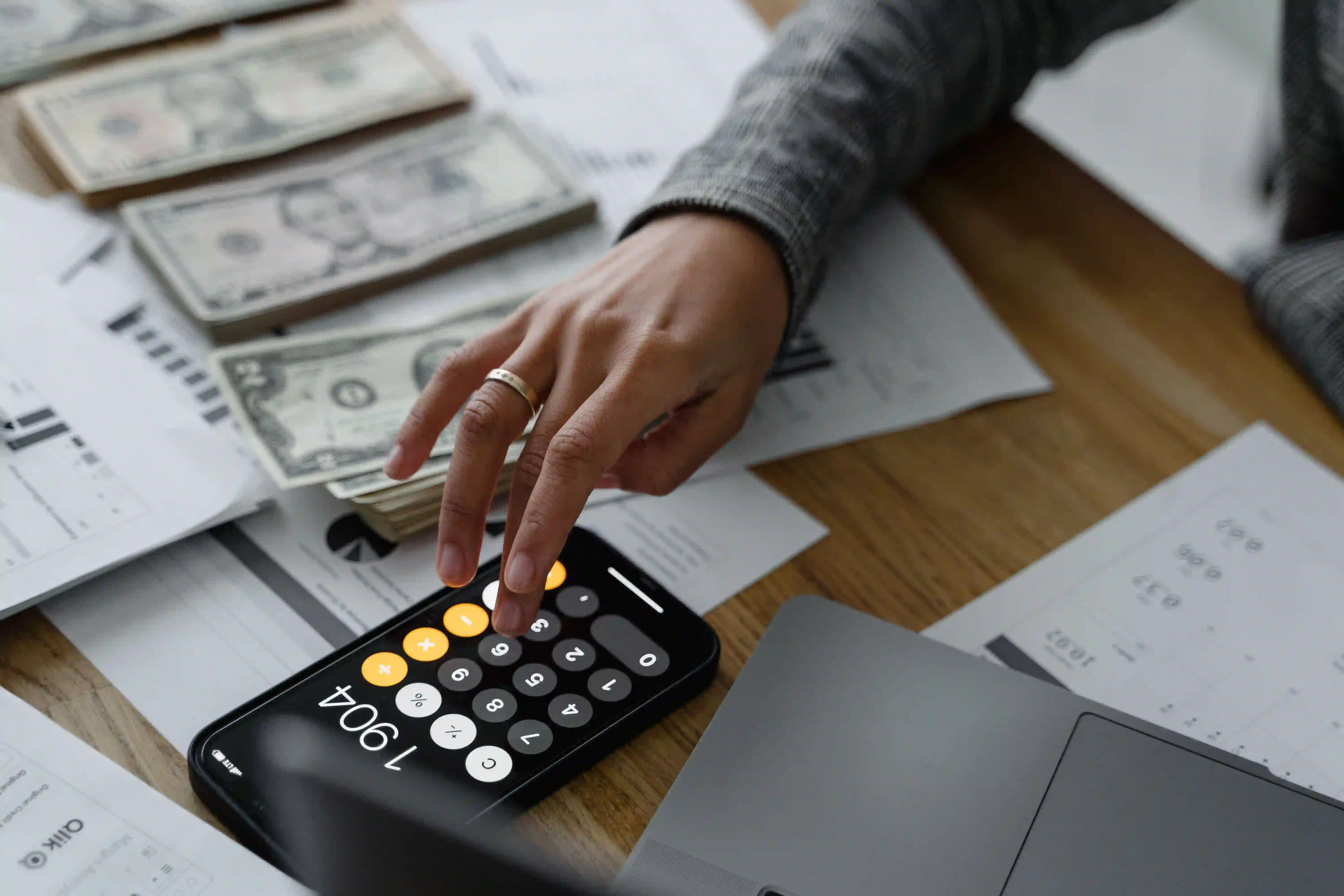
What Is a Cash Flow Budget?
A cash flow budget is a plan that tracks expected income and expenses over a specific period, usually a month. It focuses not only on how much money you earn and spend, but also on when money enters and leaves your accounts.
This can be especially useful when your bills have different due dates, your income arrives on a specific schedule, or your expenses vary from month to month.
A traditional budget might tell you that your monthly income is enough to cover your expenses. A cash flow budget goes one step further by helping you plan the timing of those transactions.
Cash Flow Budget vs. Traditional Budget
The two approaches are closely related, but they emphasize different parts of your finances.
| Traditional Budget | Cash Flow Budget |
|---|---|
| Focuses on total monthly income and spending | Focuses on timing of income and spending |
| Helps set spending limits | Helps plan available cash |
| Often uses monthly totals | Can track weekly or even daily timing |
| Useful for controlling spending | Useful for avoiding cash shortages |
You can use both approaches together. A traditional budget can establish spending limits while a cash flow plan helps you manage when money becomes available.
Why Is Cash Flow Budgeting Important?
Someone can have enough income to cover their monthly expenses and still experience a temporary cash shortage.
For example, imagine several large bills are due early in the month while the next paycheck arrives later. Your monthly income may be sufficient overall, but the timing can create a short-term problem.
Cash flow budgeting helps you identify these timing issues before they happen.
Who Can Benefit From a Cash Flow Budget?
Cash flow planning can be useful for many different financial situations.
- People paid weekly or biweekly
- People with irregular income
- Freelancers and self-employed workers
- Households with many recurring bills
- People working toward savings goals
- People managing debt payments
- Anyone who wants more visibility into monthly cash
Step 1: Determine Your Expected Income
Start by listing the money you reasonably expect to receive during the budgeting period.
Depending on your situation, this could include:
- Salary or wages
- Freelance income
- Business income
- Interest income
- Other regular income
If your income is variable, avoid relying on an unusually high month when planning essential expenses.
Step 2: List Your Fixed Expenses
Fixed expenses are costs that generally remain similar from month to month.
Examples include:
- Rent or mortgage
- Loan payments
- Insurance
- Internet
- Phone plans
- Subscription services
- Other recurring bills
Record both the amount and the expected payment date.
Step 3: Estimate Variable Expenses
Variable expenses can change from one month to another.
Common examples include:
- Groceries
- Fuel
- Dining out
- Entertainment
- Household purchases
- Medical expenses
- Personal spending
Review previous spending to create realistic estimates rather than choosing numbers that are too low to maintain.
Step 4: Add Savings and Financial Goals
Savings should be included in your cash flow plan rather than treated as whatever money happens to remain at the end of the month.
You might include:
- Emergency fund contributions
- Short-term savings
- Retirement contributions
- Planned purchases
- Vacation savings
- Other financial goals
Step 5: Record the Due Dates
This is one of the most important parts of a cash flow budget.
Record when each major payment is expected to leave your account.
| Expense | Amount | Due Date |
|---|---|---|
| Rent | $1,500 | 1st |
| Internet | $70 | 5th |
| Insurance | $120 | 10th |
| Credit card payment | $150 | 15th |
| Phone | $60 | 20th |
Step 6: Map Your Income Dates
Next, write down when your income is expected to arrive.
For example, someone paid twice per month might have:
| Date | Expected Income |
|---|---|
| 1st | $2,000 |
| 15th | $2,000 |
| Total | $4,000 |
These figures are examples only. Your actual income and timing will depend on your employment or business situation.
Step 7: Calculate Your Starting Cash
Your starting cash is the amount available at the beginning of the budgeting period.
This could include the amount currently available in the account you use for regular expenses, after accounting for pending transactions that have not yet cleared.
Step 8: Calculate Your Running Cash Balance
The basic calculation is:
When using a detailed cash flow budget, you repeat this calculation throughout the month as money comes in and expenses are paid.
Cash Flow Budget Example
Consider a simplified example with a starting balance of $1,000.
| Date | Transaction | Amount | Running Balance |
|---|---|---|---|
| Start | Starting balance | — | $1,000 |
| 1st | Rent | -$700 | $300 |
| 5th | Paycheck | +$1,500 | $1,800 |
| 10th | Utilities | -$150 | $1,650 |
| 15th | Groceries | -$250 | $1,400 |
| 20th | Paycheck | +$1,500 | $2,900 |
The example demonstrates the basic concept of tracking the balance as income and expenses occur. Actual household cash flow will contain many more transactions.
Should You Use Weekly or Monthly Cash Flow?
A monthly plan is a good starting point, but weekly planning can provide more detail when the timing of transactions is important.
Weekly planning can be particularly useful when:
- You receive weekly income.
- Your expenses change frequently.
- You are managing a tight cash balance.
- You have many bills with different due dates.
How to Use a Cash Flow Budget With Irregular Income
People with irregular income need to be particularly careful about assuming that every month will produce the same amount.
One approach is to build essential expenses around a conservative income estimate and treat stronger months separately.
During higher-income periods, you may choose to build cash reserves, fund future expenses, or make additional progress toward financial goals.
The appropriate strategy depends on your income pattern and financial circumstances.
Plan for Irregular Expenses
Some expenses do not occur every month but still need to be included in your overall cash flow plan.
Examples include:
- Annual insurance premiums
- Vehicle maintenance
- Holiday spending
- Property taxes
- School expenses
- Home repairs
- Medical costs
- Membership renewals
A sinking fund can help you prepare for predictable expenses that occur less frequently.
Use Sinking Funds for Future Expenses
A sinking fund is money set aside gradually for a known future expense.
For example, if you expect a $1,200 annual expense, you could divide it across 12 months:
This approach can reduce the impact of a large one-time payment on a single month's cash flow.
Build a Cash Flow Buffer
A small cash buffer can make your monthly plan less vulnerable to timing differences and unexpected expenses.
The appropriate amount depends on your financial situation. The purpose is to avoid having your plan depend on every transaction occurring exactly as expected.
Warning Signs That Your Cash Flow Needs Attention
Consider reviewing your cash flow plan if you frequently:
- Run short of cash before payday.
- Rely on credit cards for regular expenses.
- Pay bills late because income arrives later.
- Transfer money between accounts repeatedly.
- Use savings to cover ordinary monthly expenses.
- Have no idea how much cash will be available next week.
These signs do not necessarily mean your income is insufficient. They may indicate that the timing or structure of your cash flow needs closer attention.
How to Improve Your Monthly Cash Flow
Once you understand your cash flow, you can look for practical improvements.
Reduce Unnecessary Expenses
Review recurring subscriptions, discretionary spending, and other expenses that are not essential.
Adjust Payment Timing When Possible
Some providers may allow payment-date changes. If available, aligning due dates with your income schedule may make cash management easier.
Build Savings
A cash reserve can reduce the impact of unexpected expenses and income timing problems.
Review Income Timing
If your income schedule changes, update your cash flow budget rather than continuing to use outdated assumptions.
Tools You Can Use to Track Cash Flow
You do not need expensive software to create a cash flow budget.
Possible options include:
- A spreadsheet
- A budgeting app
- Your bank's budgeting tools
- A simple calendar
- A paper budgeting worksheet
The most important feature is consistency. A simple system that you regularly update can be more useful than a complicated system you stop using.
Simple Cash Flow Budget Template
| Item | Expected Amount | Date | Actual Amount |
|---|---|---|---|
| Starting cash | $ | Beginning | $ |
| Income | $ | Date | $ |
| Housing | $ | Date | $ |
| Utilities | $ | Date | $ |
| Groceries | $ | Date | $ |
| Transportation | $ | Date | $ |
| Debt payments | $ | Date | $ |
| Savings | $ | Date | $ |
| Other | $ | Date | $ |
Common Cash Flow Budgeting Mistakes
1. Forgetting Pending Transactions
A bank balance may not always reflect every transaction that has been initiated but has not yet cleared.
2. Ignoring Irregular Expenses
Annual and occasional expenses can disrupt your cash flow if you do not plan for them.
3. Overestimating Variable Income
When income changes from month to month, optimistic assumptions can create unrealistic plans.
4. Forgetting Savings Contributions
Savings goals are still part of your cash flow plan and should be included when calculating available money.
5. Not Updating the Budget
A cash flow plan is based on estimates. Update it when actual income or expenses differ from your original assumptions.
A Simple Monthly Cash Flow Routine
- Review starting cash.
- List expected income.
- List major bills and due dates.
- Set spending limits.
- Plan savings contributions.
- Record actual transactions.
- Compare actual spending with your plan.
- Watch the upcoming cash balance.
- Compare planned and actual numbers.
- Identify unexpected expenses.
- Update next month's estimates.
Frequently Asked Questions
What is the main purpose of a cash flow budget?
Its main purpose is to help you understand the timing of income and expenses so you can plan how much cash should be available throughout a budgeting period.
Is a cash flow budget the same as a normal budget?
They are related but not identical. A traditional budget often focuses on total income and spending, while a cash flow budget places greater emphasis on when money comes in and goes out.
How often should I update my cash flow budget?
Many people review it at least weekly and perform a more complete review each month. The appropriate frequency depends on how variable your income and expenses are.
Can freelancers use a cash flow budget?
Yes. Cash flow planning can be particularly useful for people whose income changes from month to month because it helps them plan around expected payment timing and variable income.
What if my cash flow becomes negative?
Review which expenses are causing the shortfall, check whether the timing of income and bills can be adjusted, and reassess your spending and cash reserves. Persistent negative cash flow may require broader changes to your financial plan.
Do I need special software?
No. A spreadsheet, budgeting application, calendar, or simple written worksheet can work. Choose a method you can update consistently.
Final Thoughts
A cash flow budget gives you a clearer view of the relationship between your income, expenses, savings, and timing. Instead of discovering a cash shortage after it happens, you can use your plan to identify potential problems ahead of time.
Start with your expected income, list your fixed and variable expenses, add due dates, include savings goals, and track your running balance. Then compare your estimates with what actually happened and improve next month's plan.
The system does not need to be complicated. The most useful cash flow budget is one that accurately reflects your situation and is updated consistently.
This article is provided for general educational and informational purposes only. It is not personalized financial, investment, tax, legal, or other professional advice.
Related Budgeting Guides
Zero-Based Budgeting: Complete Guide
Learn how zero-based budgeting works and how to assign your income to planned expenses and goals.
Read Article →
How to Create a Budget
A beginner-friendly guide to creating a practical monthly budget.
Read Article →
Common Budgeting Mistakes to Avoid
Learn about common budgeting problems and ways to build a more realistic spending plan.
Read Article →